
Workbench
Hardware is the part that ages first
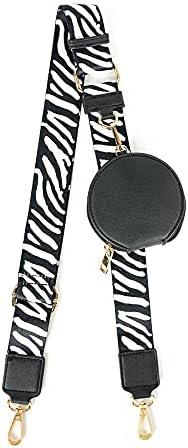
Metal takes the direct friction on any handbag. While vegan leather holds its structure over months of use, the plated rings, chain links, and zip sliders reveal their age through daily contact.
Where gold plating wears away fastest
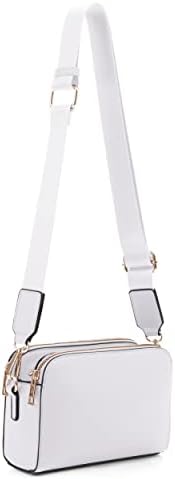
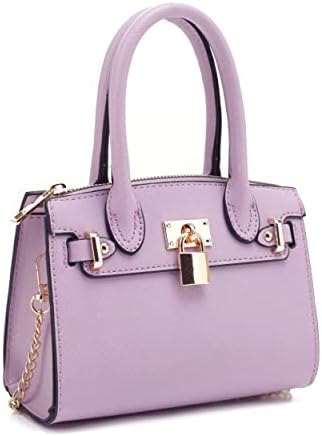
8 of our bags are on gold tone hardware, and that surface is a thin layer over a base core. Metal rubbing against metal slowly grinds that finish down. The wear always starts at the high contact points, specifically where a swivel snap turns inside a D ring or where fingers repeatedly pinch the zip pull.
The change is subtle at first, shifting from a bright shine to a softer, paler shade before the base metal shows through. Hardware will show this friction sooner than the body panels. It is the natural consequence of moving parts working against each other under the weight of daily carry.
The physical weight of chain straps
17 listings mention a chain strap, which brings a specific weight and feel to a shoulder bag. A metal link does not spread mass across your body the way a flat strap does. Instead, a chain sits on one narrow line of a shoulder and marks a soft coat after a few hours of wear.
Smooth metal links also create friction against delicate fabrics like knit wool or unstructured outerwear. When carrying heavier contents, a narrow chain presses firmly into that single point of contact. It stays secure on the shoulder, but the pressure remains focused entirely on that slim metal path.
Every ring, slider, and chain link carries the daily movement of the bag, showing honest wear at the exact points where metal meets friction.
What actually stops a zip pull
A zip pull endures direct force every time you open a bag, making it one of the hardest working small metal pieces we attach. When a slider resists or sticks halfway across an opening, the problem rarely comes from distorted teeth. A zip that catches is usually the tape, not the teeth.
The fabric tape along the teeth can shift, pinch, or pull slightly out of alignment when the bag body flexes. Forcing the metal pull across a misaligned section stresses the slider spring and thins the finish faster. Keeping the teeth straight while pulling reduces that unnecessary metal strain.
Moving parts take the daily load
The junction where a strap connects to the body bears every ounce of the bag, day after day. D rings, clasps, and connector loops absorb the continuous pull of your movement. The internal springs inside clips can gradually soften after thousands of openings and daily clip changes.
No plated hardware stays pristine forever when it meets constant friction. We stitch sturdy anchors to hold those rings in place, but the metal itself will reflect how often it moves, clips, and bears weight. Knowing where friction happens helps explain how a bag changes over time.
Bags by hardware tone

More from the journal
The drop decides where a bag lands, not the word on the label
A bag is not defined by general labels like small or medium. The true position on your frame comes down to the strap drop, measured in clear inches from the shoulder…
VolumeWhat actually fits in a camera bag
A compact crossbody is only as useful as its internal volume. We look at printed dimensions, the role of depth, and what stays behind when packing light.
StrapsTwo straps and what the second one actually buys you
A spare strap promises two silhouettes from a single body, shifting from a wide webbing cross to a narrow chain.
Work out your own drop
Measure the bag you already wear at the right height, then see what in the range reaches the same number.