
Fit
The drop decides where a bag lands, not the word on the label
A bag is not defined by general labels like small or medium. The true position on your frame comes down to the strap drop, measured in clear inches from the shoulder line down to the top zip.
Why names on tags mean so little
We avoid vague descriptions because words like crossbody or shoulder bag tell you nothing about the actual fit. Two people can buy the exact same shape and end up carrying it at entirely different heights. We design vegan leather crossbodies and soft faux suede hobos around set dimensions rather than marketing terms. Every body has a different torso length and shoulder slope, so relying on a general label usually leads to disappointment.
The physical dimension determines where the base rests against the hip or ribcage. We list measurements directly so you know the clearance before making a choice. Across our range, 21 of our bags print the strap drop in inches. That measurement is the single number that explains how the piece hangs when you walk.
Measuring a strap you already wear well
The easiest way to find your ideal fit is to take a tape measure to a bag you already carry often. Hang the bag on your shoulder or across your chest so it settles where you want it. Measure the vertical distance straight down from the highest point of the strap on your shoulder to the top edge of the bag. That vertical line is your working strap drop.
Doing this on a bag at home gives you an honest standard to compare against our designs. The drops across the range run 6.25 to 24 inches. Knowing your preferred drop prevents surprises, especially if you dislike a bag bumping against your hip joint or riding too high toward your ribs.
The tape measure tells the truth about proportion, helping you find where a bag lands before you ever put it over your shoulder.
Adjustable straps across three distinct carry bands
An adjustable strap changes how a single shape functions throughout the week. Shorten the buckle and the base tucks high, or lengthen it to clear a winter coat. Because one piece can change roles, 13 bags can sit under the arm, 13 reach a shoulder carry and 18 are long enough to wear across the body. These numbers overlap because a single strap can span multiple bands.
We cut these straps so one piece can move between styles without needing extra hardware. Across the current collection, 30 colourways sit on 18 designs. Shifting the buckle allows a compact camera bag or a top handle satchel to behave like two entirely different pieces depending on where you set the hardware.
The limits of extra strap webbing
Adjustability has real physical downsides that we do not hide. If you have a short torso, pulling a long strap to its tightest hole leaves a thick tail of faux suede or webbing with nowhere to go. It doubles up, adds bulk, and can ruin the clean line of the silhouette against your side.
A long strap can also pull a small body out of balance if the drop is set too low for your height. When the strap drop is wrong, even the lightest vegan leather flap bag feels awkward to carry. Matching the drop to your frame matters far more than any label printed on the tag.
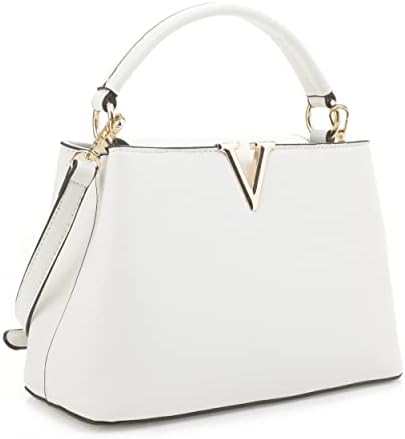
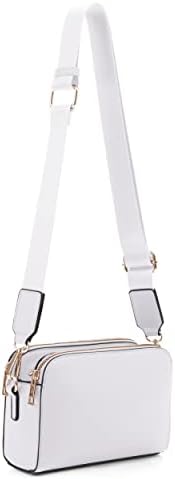
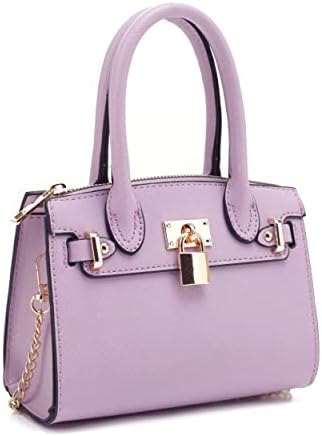
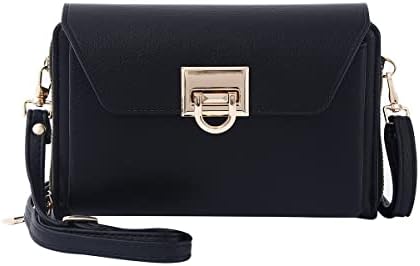
Bags with the drop printed
More from the journal
What actually fits in a camera bag
A compact crossbody is only as useful as its internal volume. We look at printed dimensions, the role of depth, and what stays behind when packing light.
StrapsTwo straps and what the second one actually buys you
A spare strap promises two silhouettes from a single body, shifting from a wide webbing cross to a narrow chain.
MaterialsFaux suede, the nap, and what water does to it
A faux suede surface changes shade because tiny fibres lean in one direction. Understanding how the nap shifts under pressure or rain keeps the material looking uniform…
Work out your own drop
Measure the bag you already wear at the right height, then see what in the range reaches the same number.